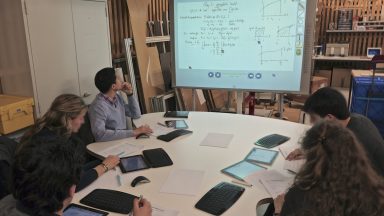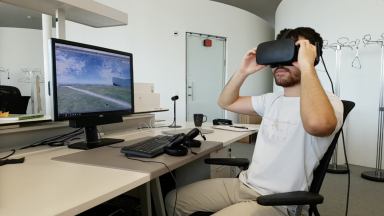
Leading House Dual-T: Technologies for Vocational Training
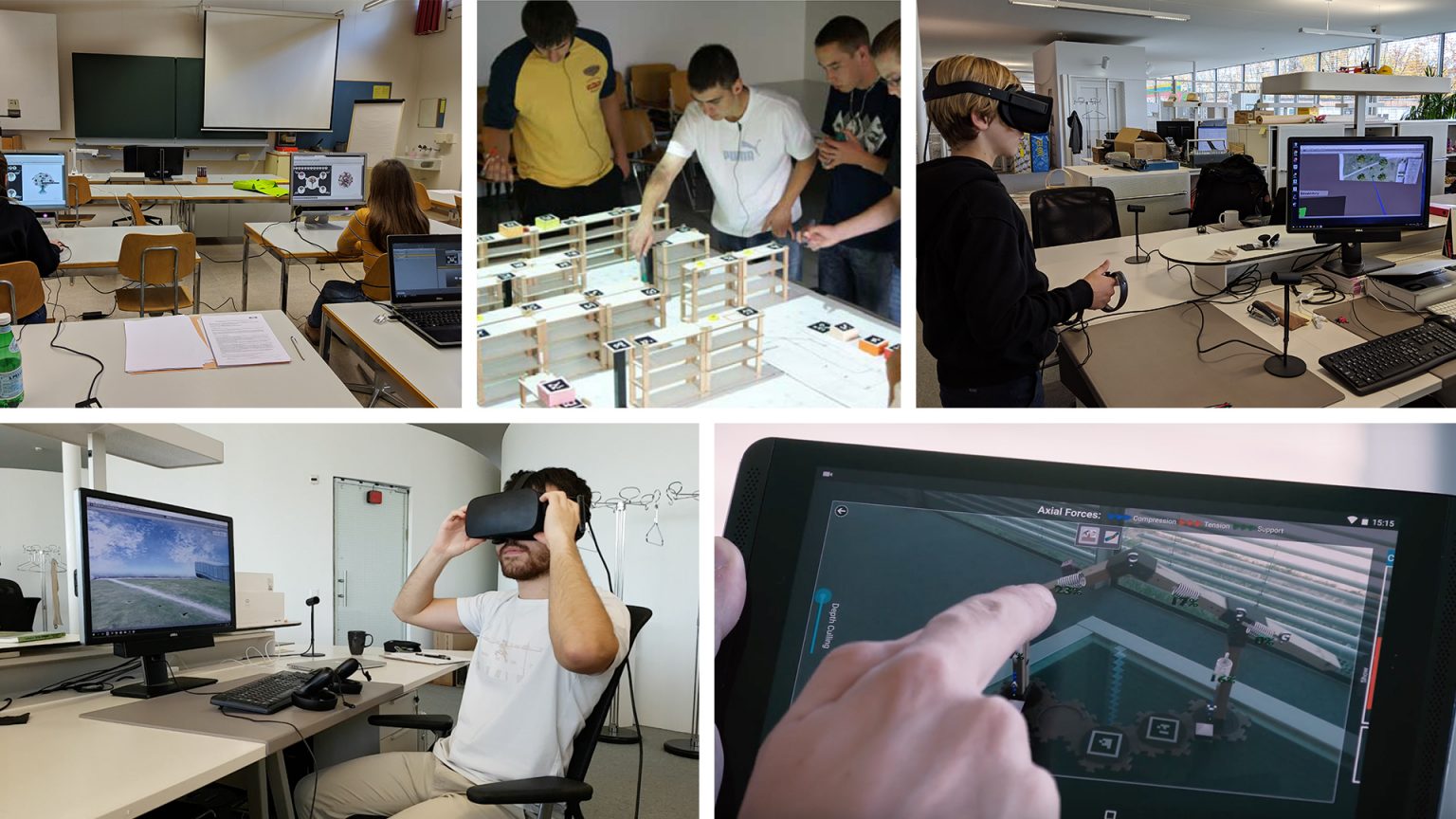
Realto : The platform for integrated vocational education

REALTO is developed by a team from EPFL, University of Fribourg, and SFIVET. REALTO is part of the research project DUAL-T sponsored by the Swiss State Secretariat for Education, Research, and Innovation.
The Leading House DUAL-T is a research project funded by the Swiss State Secretariat for Education, Research and Innovation (SERI).
The potential of learning technologies in vocational training goes beyond traditional e-learning approaches. DUAL-T explores learning activities that are relevant to the dual contexts of vocational education, workplace and school. The first phase of research enabled us to identify specific needs of dual training that could benefit from technology enhanced learning. We encountered multiple instances of what we called the “skills gap”, that is situations where the apprentices do not have the opportunity to practice at their workplace the skills that have been defined as objectives by the vocational training system.
DUAL-T considers technologies as “bridges” over the skills gap. The central hypothesis is that digital technologies will improve school effectiveness by connecting workplace experience to classroom reflective activities. The effectiveness of learning technologies will depend on the extent to which they support activities that target key cognitive skills (self-regulation, reflection and abstraction) without disconnecting these skills from the professional context.
The research hypotheses and objectives of the Dual-T leading house are encapsulated in the concept of the “Erfahrraum” (combining the German words “experience” and “space”). It differs from most research on e-learning: technologies are not used for accessing on-line instructional materials but for augmenting co-present educational interactions, namely by enabling teachers to conduct rich learning activities. The “Erfahrraum” does not refer to a specific piece of software that would integrate all pedagogical activities. It describes multiple technologies and activities that create a shared space to facilitate learning through reflection on experiences made in different contexts. More details about the Erfahrraum model can be found in the 2015 JVET article.